Cost Considerations for Custom Homes in Southern Utah

by Madsen Homes
Building a custom home in Southern Utah is an exciting opportunity to create a space tailored to your lifestyle. But with custom homes, understanding the factors that affect cost is essential to making informed decisions. While every project is unique, knowing what influences pricing can help you plan a home that fits your vision, lifestyle, and budget.
Location and Lot Considerations in Southern Utah
The location of your home can significantly impact cost and construction logistics. Factors to consider include:
Topography and grading: Sloped or uneven lots require additional site work, including excavation and retaining walls, which can add to the budget.
Accessibility: Remote lots or those with difficult access may increase labor and delivery costs for materials and equipment.
Local building regulations and permits: Cities like St. George, Hurricane, Washington, Ivins, and surrounding Southern Utah communities each have unique permitting requirements, impact fees, and development regulations that can affect your project timeline and cost.
Utilities and infrastructure: Extending water, electricity, or sewer lines to your lot may require additional investment.
By factoring in site conditions early, you can anticipate costs and make choices that align with your home’s design and your budget.
Size and Layout Impact Costs
The square footage and layout of a home are major cost drivers. Consider:
Footprint efficiency: Homes with a square or rectangular layout generally provide more usable space per linear foot of wall, reducing unnecessary construction costs.
Ceiling height and volume: Raising ceilings in main living areas can enhance the sense of space but may increase framing, HVAC, and finishing costs.
Number of stories: Multi-level homes may require extra engineering, staircases, and structural support, which affects both labor and material costs.
Room placement and flow: Efficient layouts reduce wasted space and can lower costs by minimizing excessive hallways or unused areas.
Smart design decisions allow you to maximize usable space while keeping costs manageable.
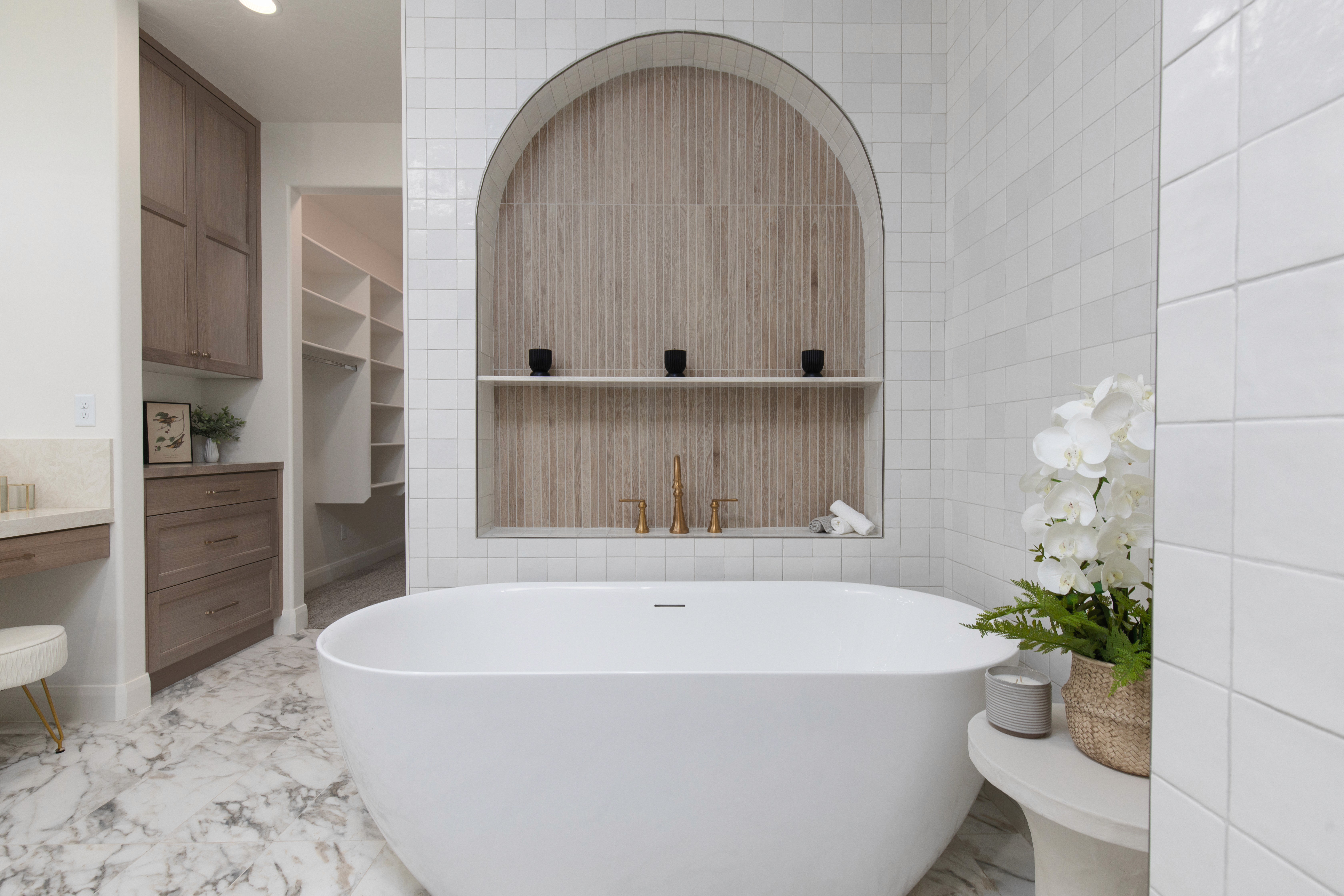
Material Selections and Finish Levels
Your choices in materials and finishes are among the largest factors influencing your custom home’s price. Consider:
Cabinets and countertops: From budget-friendly options like laminate and standard quartz to high-end choices like granite, quartzite, or custom cabinetry, selection significantly impacts cost.
Flooring and tile: Materials range from carpet and LVP (luxury vinyl plank) to engineered hardwood or natural stone, each with different price points and maintenance requirements.
Plumbing fixtures, lighting, and hardware: Quality and finish options—from chrome to matte black or brushed gold—affect both aesthetics and cost.
Exterior materials: Stucco, stone, wood, or metal accents can dramatically change exterior costs and influence curb appeal.
Early planning helps determine which materials are essential to your vision and where more budget-friendly choices are acceptable without sacrificing design cohesion.
Custom Features and Upgrades
Adding features and upgrades allows you to personalize your home, but each comes with a price. Examples include:
Outdoor living areas: Patios, firepits, decks, pergolas, and hardscaping can range from simple concrete slabs to intricate stone or paver designs.
Smart home technology: Automated lighting, HVAC systems, and security options may increase initial costs but provide long-term convenience and energy efficiency.
Architectural details: Vaulted ceilings, specialty windows, custom doors, or unique trim can enhance style but require skilled labor and additional materials.
By identifying which features matter most, you can allocate your budget strategically to areas that add both value and enjoyment to your home.
Planning for Contingencies and Delays
Even with careful planning, building a custom home can include unexpected costs or delays. Supply chain issues, weather, and unforeseen site conditions may impact timing and pricing. Including a contingency budget helps ensure these challenges can be addressed without compromising your home’s overall design or quality.
Balancing Vision and Budget in Your Southern Utah Custom Home
Creating a custom home is a balance between design aspirations and practical considerations. By understanding the key cost drivers — lot conditions, square footage, materials, and features — you can make informed choices that reflect both your style and financial plan. Working with a builder who communicates clearly, provides detailed scopes, and guides selections will help you achieve a home that meets your expectations while staying within your budget.
Planning thoughtfully from the start allows your Southern Utah custom home to combine functionality, style, and value for years to come.
Check out related blog posts and projects:
How to Choose the Right Countertops for Your Southern Utah Custom Home
Find more blogs about building a custom home