Five Things to Avoid When Designing Your Home
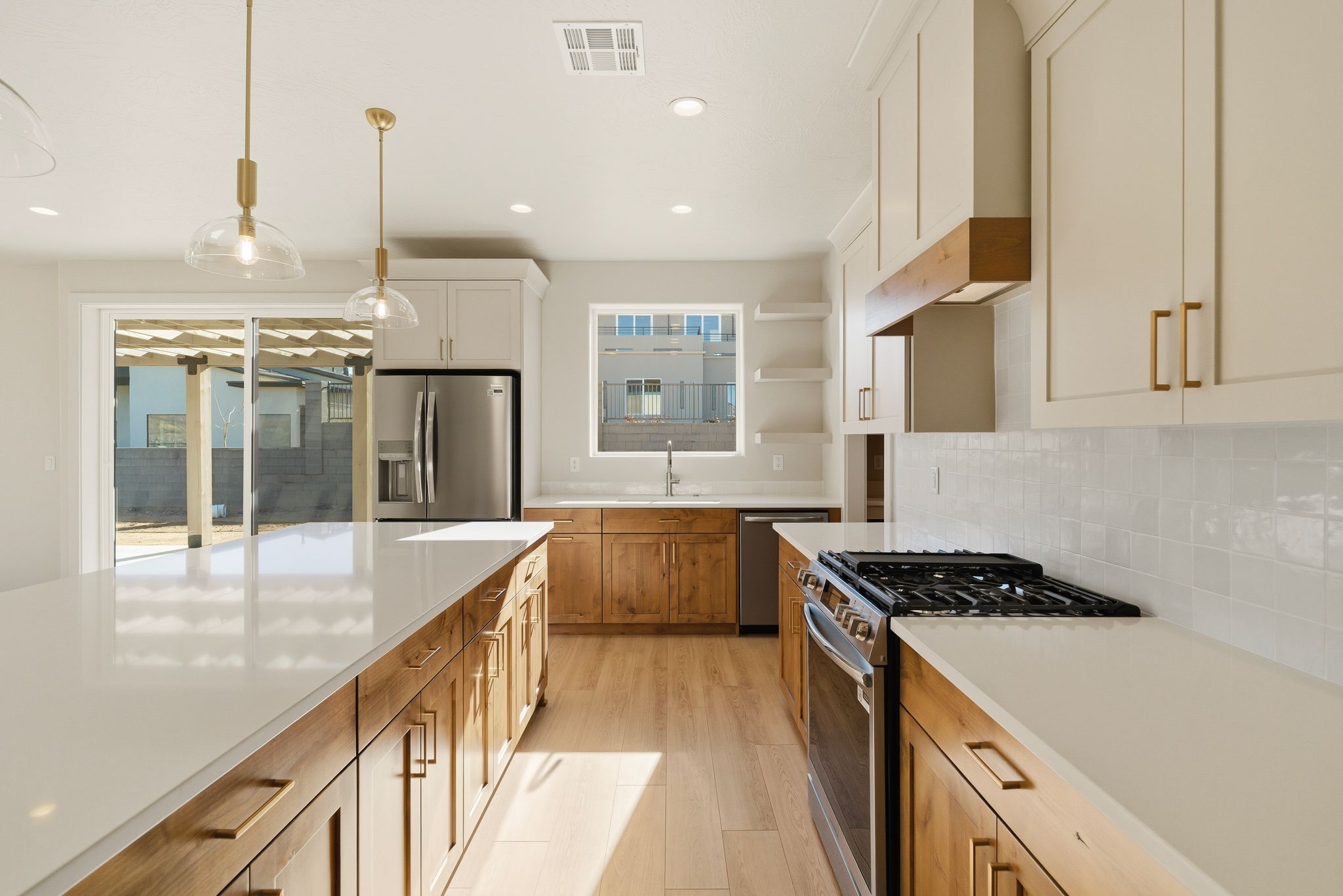
by Madsen Homes
Designing a home is exciting. It is also where some of the most expensive mistakes happen. In our experience as a custom home builder, regret rarely comes from bad taste. If you avoid these five issues, you lower the risk of expensive change orders, stalled timelines, and frustration halfway through the build.
1. Designing for the Idea of Your Life Instead of Your Actual Life
This is the most common mistake we see during the home design process.
People design for who they want to be, not how they actually live. They imagine hosting dinner parties every weekend, cooking elaborate meals nightly, or using specialty rooms that rarely see real use. If a space does not support something you already do consistently, it will not magically start working once the house is built. Square footage should serve daily habits, not aspirational versions of yourself.
Design around:
Where you naturally gather
How you actually cook
How often you host
How you move through your mornings and evenings
A well-designed home should make daily life easier, not introduce routines you feel guilty about keeping up with.
2. Locking in Layout Before Understanding Costs
Every layout decision affects cost, whether it’s obvious or not. Span lengths, roof complexity, plumbing locations, ceiling heights, and wall alignment all affect structure, labor, and materials. When layout is finalized without cost feedback, budgets break later and changes become expensive. Design and budget should move together. As the layout evolves, the numbers should evolve with it. Early estimates do not need to be perfect, but they do need to exist before emotional attachment forms. If you fall in love with a layout first and ask about cost later, you are already behind.
3. Over-customizing Without Considering Maintenance and Resale Custom is good.
Over-custom is risky. Highly specific design choices can be expensive to build, harder to maintain, and limiting for future buyers. That does not mean avoiding personality. It means being intentional about where customization adds real value. Focus customization on: layout, flow, storage, light, materials you touch every day. Be more conservative with elements that are difficult or expensive to change later, such as structural features, extreme ceiling conditions, or highly niche rooms. Think long-term. Even if you plan to stay forever, life changes and flexibility matters.
4. Treating Finishes as Decoration Instead of Systems
Finishes aren’t just about how a home looks. They affect how it wears, how it cleans, how it sounds, and how it feels five years from now. Dark floors show dust. Glossy surfaces show fingerprints. Trend driven tiles date quickly. Some materials look great in photos and perform poorly in real life.
Before finalizing any finish, ask three practical questions:
How it ages
How it is cleaned
How it feels to live with daily
If you would not want to maintain it for ten years, it is not the right choice, no matter how good it looks on Pinterest.
5. Skipping the Hard Conversations Early
The hardest conversations early on are usually the ones that prevent problems later. Budget ceilings, tradeoffs, allowances, scope boundaries, and decision ownership should all be clear before design accelerates. Avoiding these topics does not make them go away. It just moves the pain later, when changes are more expensive and emotions are higher. Good design requires clarity. Clarity requires honesty. The earlier expectations are aligned, the smoother the entire process becomes.
Building a custom home isn’t about chasing perfection. It is about making steady, informed decisions that support how you actually live. Avoid these five mistakes, and you will end up with a home that feels calm, functional, and worth the investment.
Check out related blog posts and projects:
10 Things You Can Add to Your Custom Home That Don’t Blow the Budget
Landscaping for Low Maintenance and High Curb Appeal | Southern Utah Homes
Find more blogs about building a custom home