Chandeliers in Your Southern Utah Custom Home
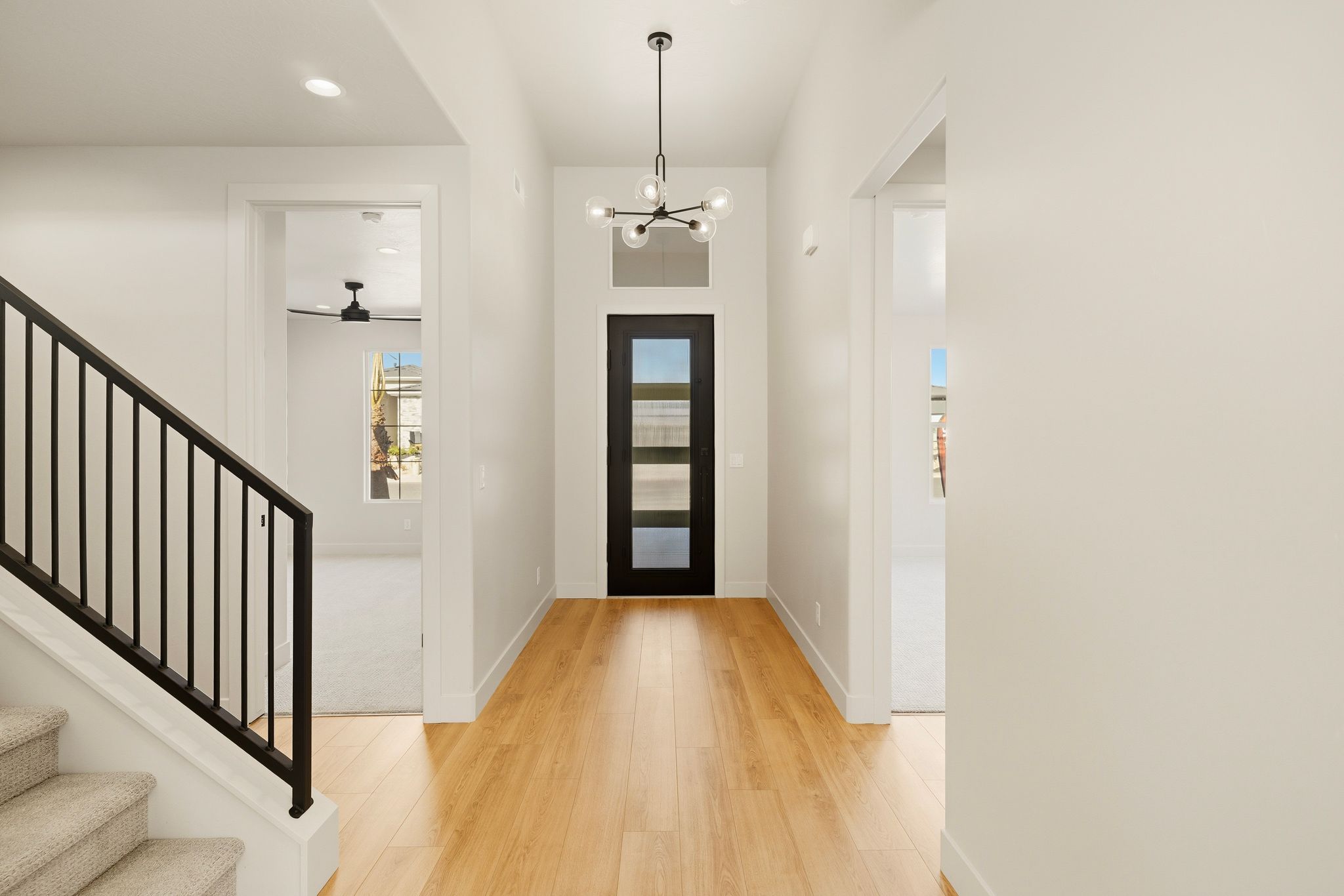
by Madsen Homes
Chandeliers are one of the most impactful lighting choices in a home. They provide both ambient light and a strong design presence, helping define key spaces like entryways, dining rooms, and living areas. In Southern Utah custom homes, chandeliers are often used to add character while supporting the overall lighting plan of the home.
When selected and placed correctly, a chandelier does more than provide light. It helps establish scale, balance, and visual focus within a room.
The Role of a Chandelier in Home Design
Chandeliers serve two main purposes:
Ambient lighting: They help light a space as part of the overall lighting plan
Statement lighting: They act as a focal point and visual anchor in a room
Unlike recessed lighting or more subtle fixtures, chandeliers are meant to be seen. They often set the tone for the style of a space, whether that is modern, traditional, or somewhere in between.
In many Southern Utah custom homes, chandeliers are used to complement other lighting layers rather than serve as the only light source.
Best Places to Use Chandeliers
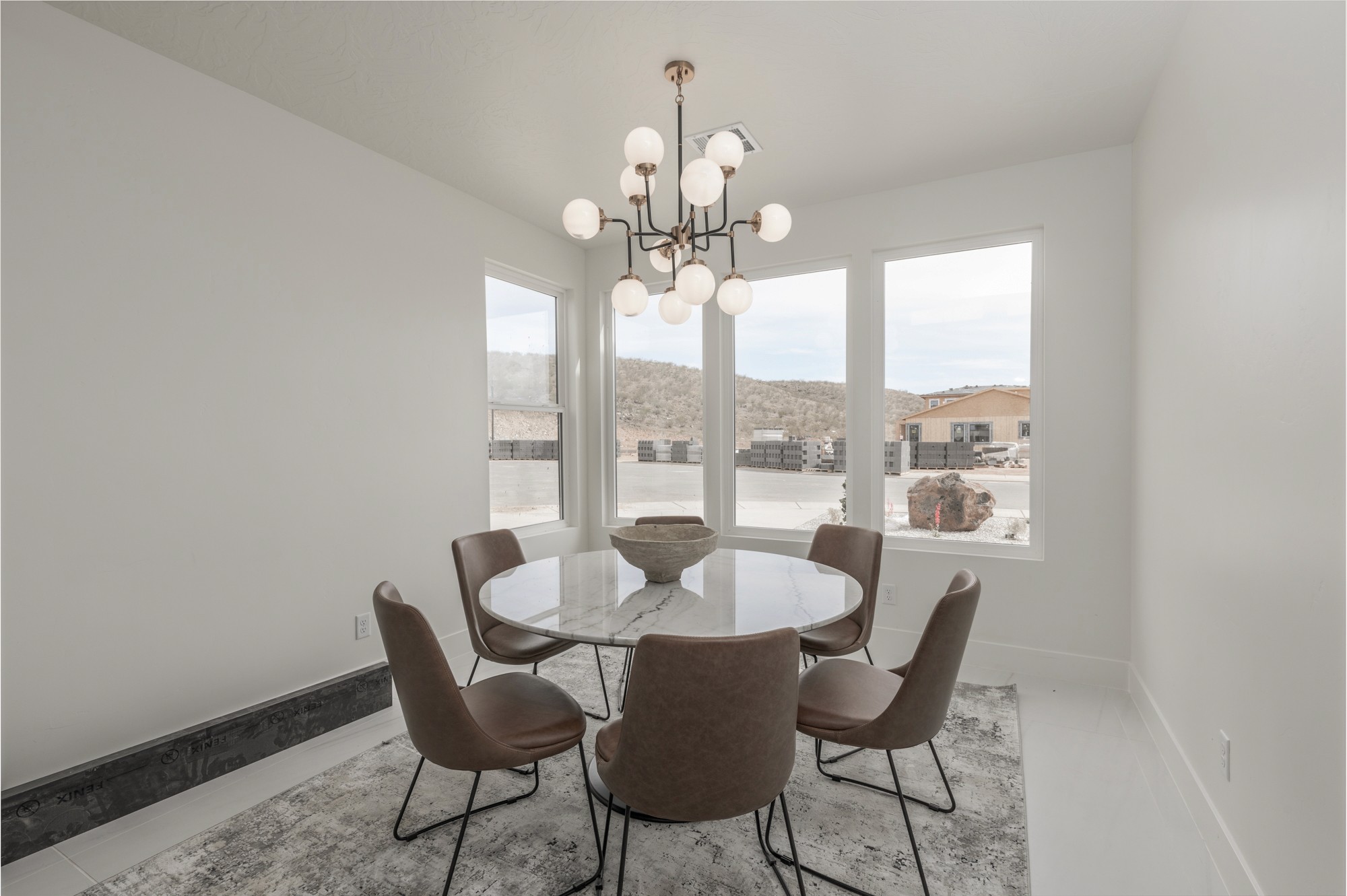
Dining Rooms
Dining rooms are one of the most common and effective places for a chandelier. The fixture helps define the dining area and creates a central focal point above the table.
A properly scaled chandelier can make the space feel grounded and intentional without overwhelming the room.
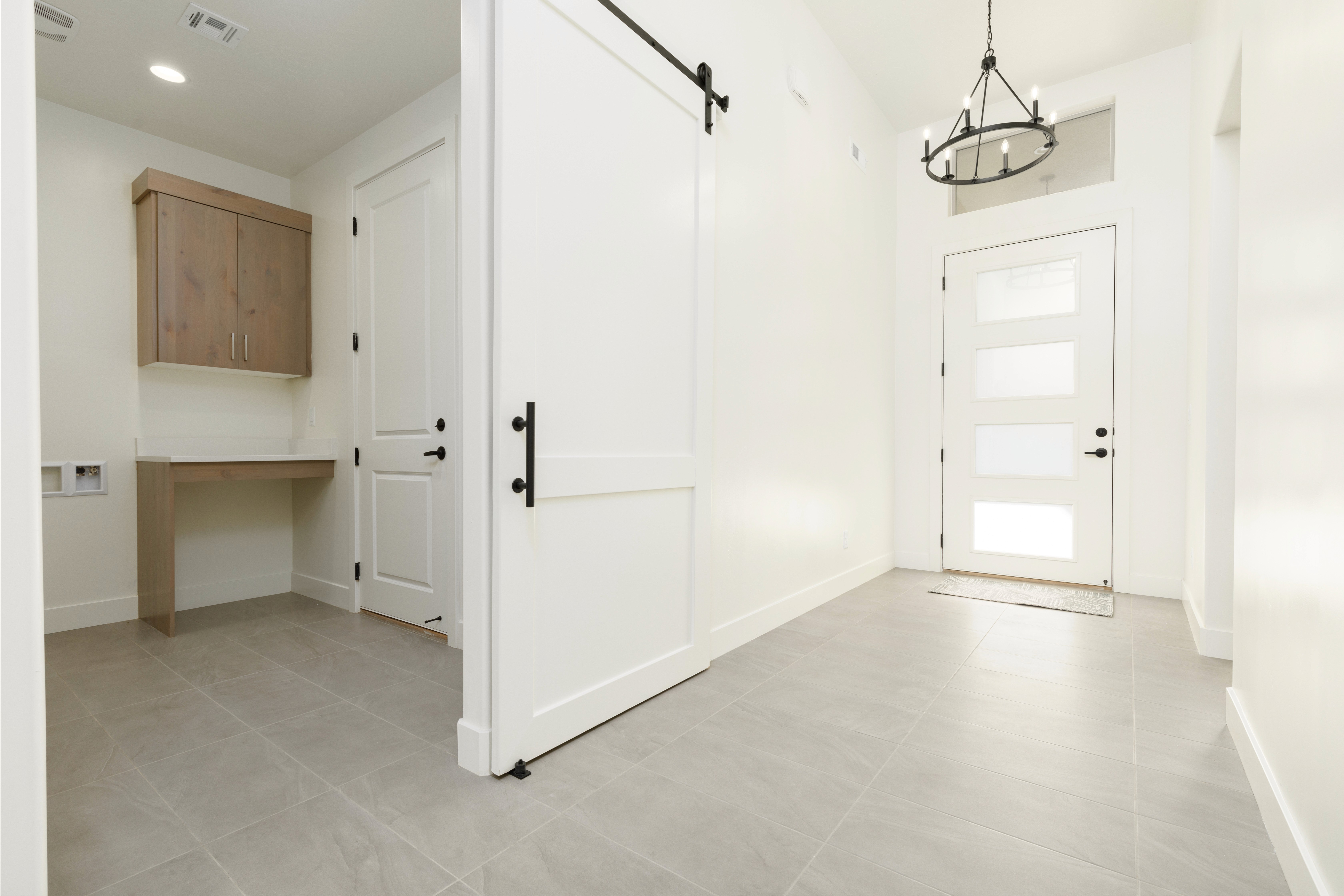
Entryways and Foyers
A chandelier in the entryway is often the first impression of a home’s interior. It helps establish scale and sets the tone for the rest of the house.
In two-story foyers, larger chandeliers or multi-tier designs are often used to fill vertical space and maintain visual balance.
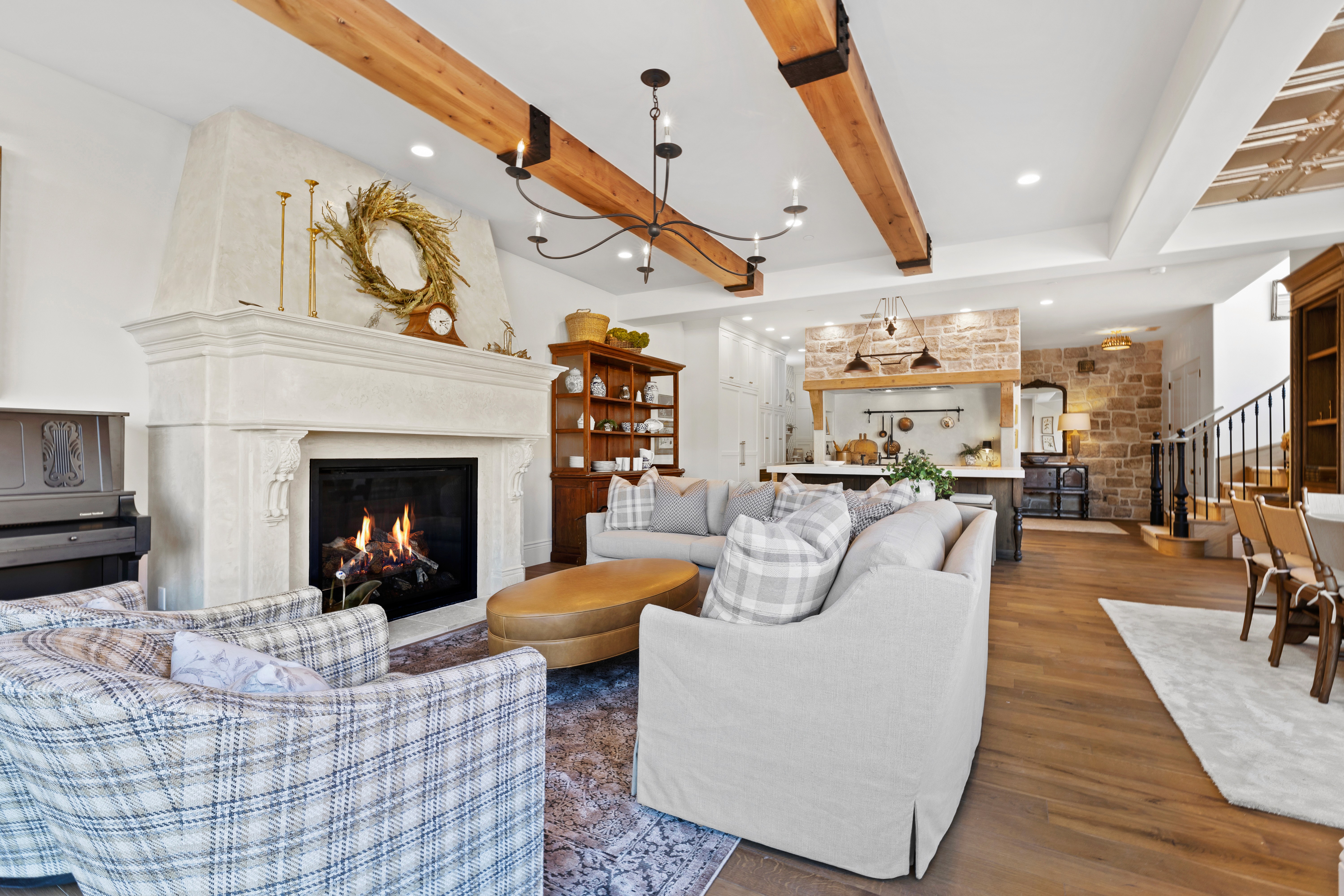
Living Areas
In living rooms with higher ceilings or open layouts, chandeliers can help define seating areas and add warmth to larger spaces. They are often paired with recessed lighting and wall sconces to create a layered lighting design.
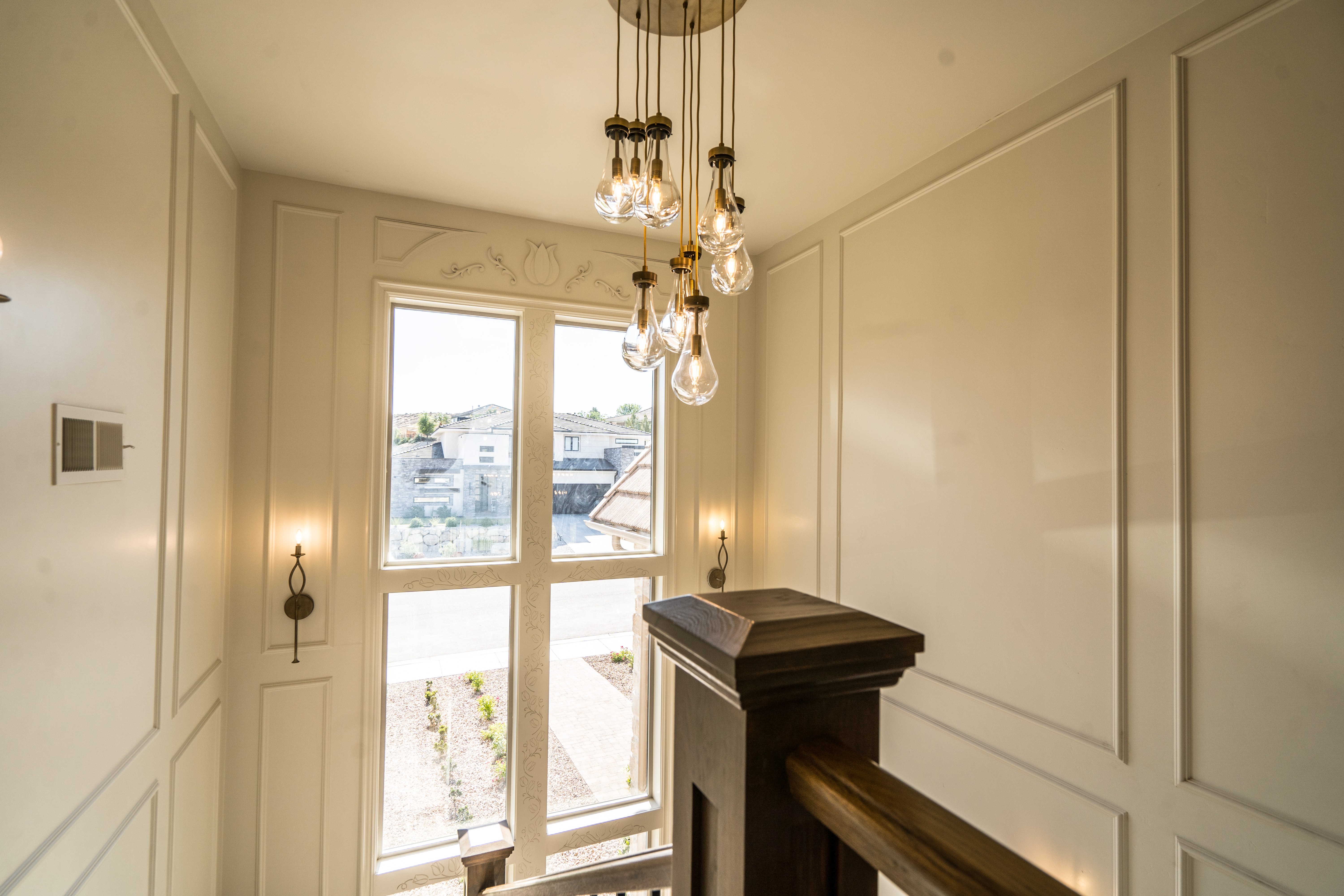
Staircases and Open Spaces
Chandeliers can also be used in stairwells or open vertical spaces where there is room for a dramatic or elongated fixture. These placements help connect multiple levels visually.
Choosing the Right Scale
One of the most important decisions when selecting a chandelier is scale. A fixture that is too small can feel out of place, while one that is too large can overwhelm the room.
Key considerations include:
Room size and square footage
Ceiling height
Furniture placement below the fixture
Visual weight of the chandelier design
In general, higher ceilings and larger rooms can support more substantial or multi-tiered chandeliers, while smaller rooms benefit from simpler, more compact designs.
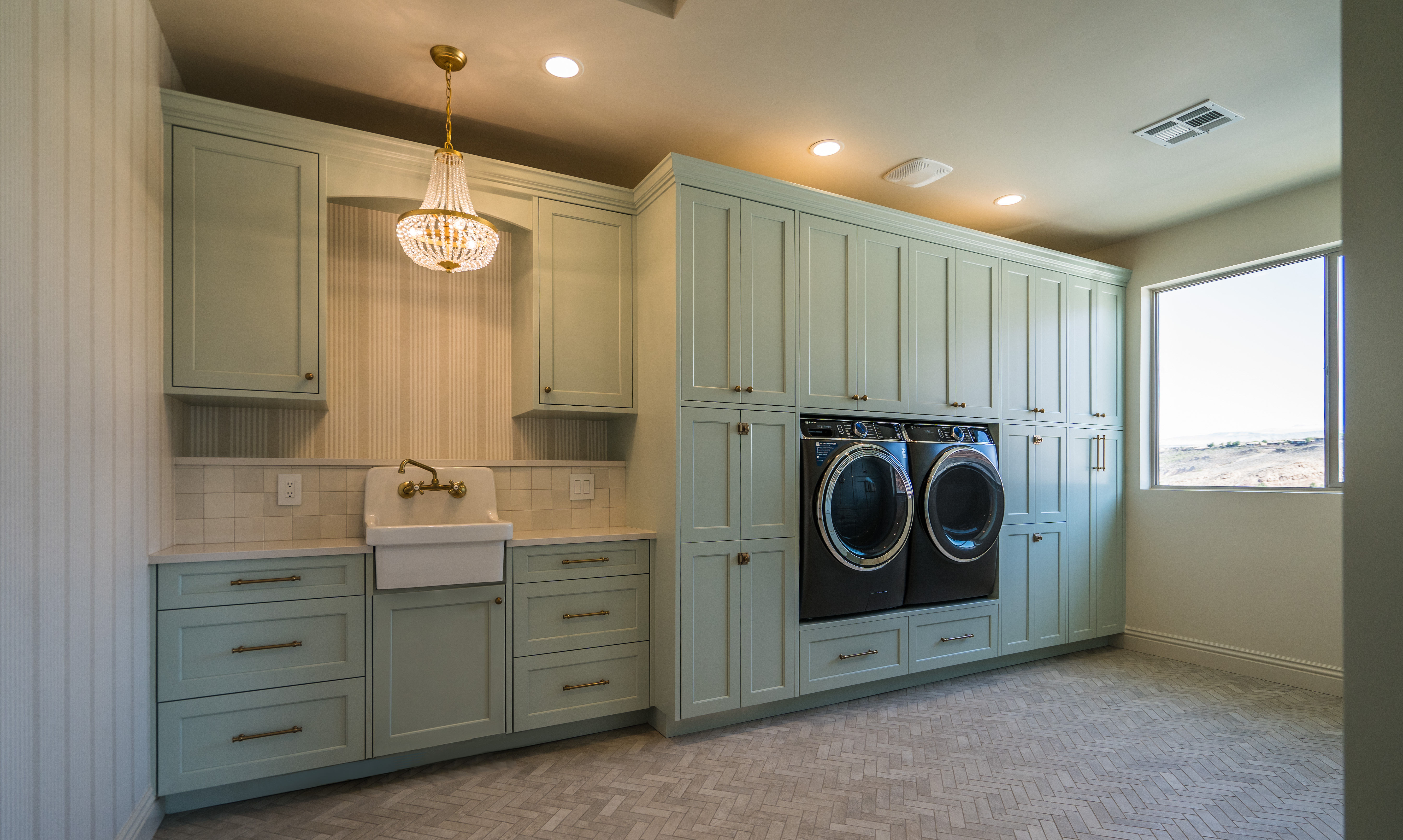
Height and Placement Guidelines
Proper placement ensures both function and visual balance:
Dining rooms: Typically centered over the table, leaving enough clearance for sightlines
Entryways: Positioned to feel centered within the vertical space of the foyer
Living areas: Scaled based on seating layout and ceiling height
The goal is to ensure the chandelier feels intentional within the architecture, not added as an afterthought.
Style and Finish Considerations
Chandeliers come in a wide range of styles, including:
Linear or modern designs
Traditional multi-arm fixtures
Organic or sculptural forms
Minimal metal or glass styles
Finishes should coordinate with other elements in the home such as plumbing fixtures, cabinet hardware, and door finishes. This helps create a cohesive design without needing everything to match exactly.
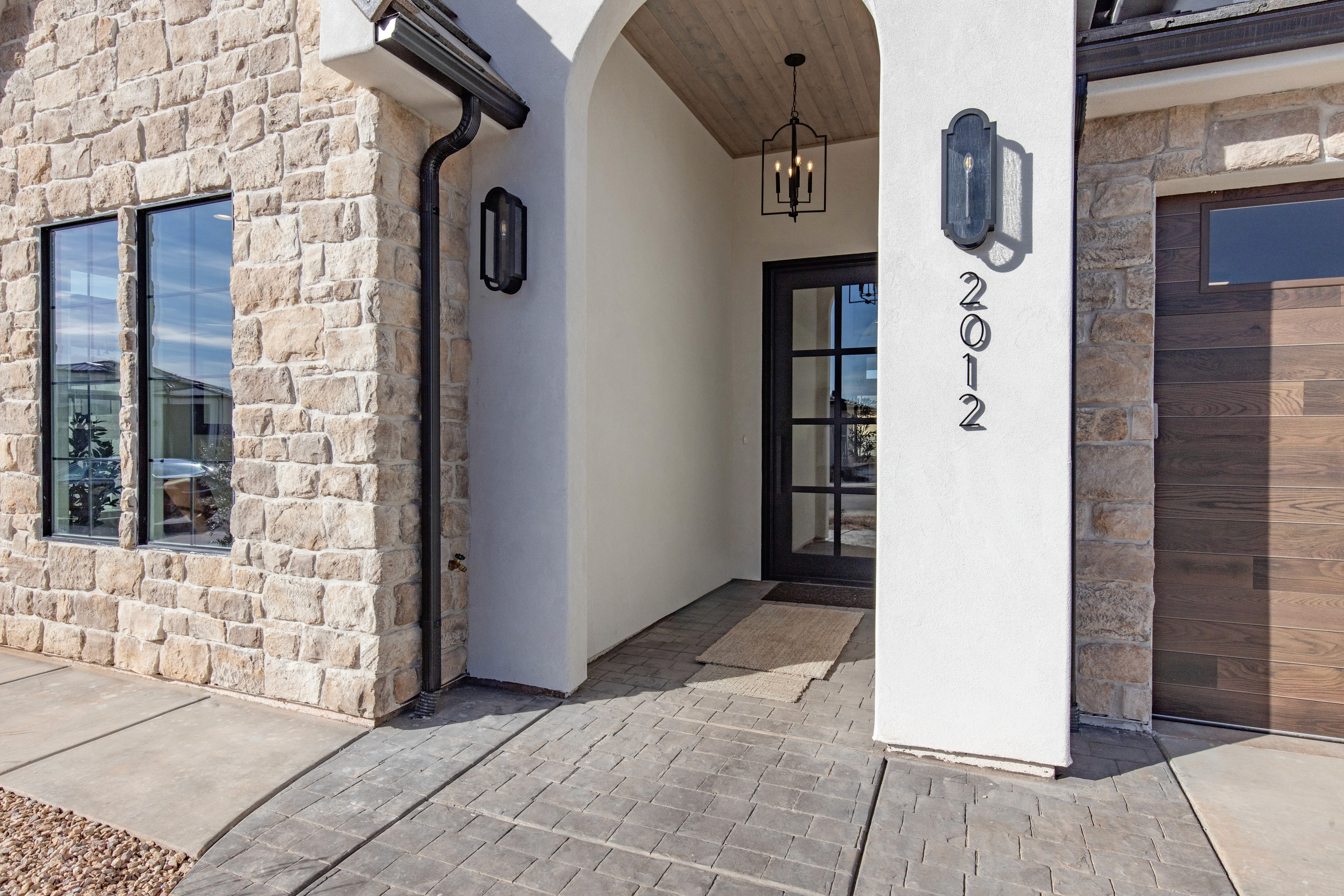
Layering Chandeliers with Other Lighting
Chandeliers work best as part of a layered lighting plan. In most custom homes, they are paired with:
Recessed lighting for general illumination
Wall sconces for accent or vertical light
Pendant lighting in adjacent spaces
This combination ensures the space is functional at all times of day while still highlighting the chandelier as a focal point.
Flexibility Over Time
One advantage of chandeliers is that they can be changed out relatively easily compared to built-in lighting. If design preferences change over time, updating a chandelier can refresh the look of a space without major construction.
This makes chandeliers both a design feature and a flexible element within your home’s long-term style.
Final Considerations
A chandelier is more than a decorative fixture. It plays a role in lighting, scale, and the overall feel of a space. In Southern Utah custom homes, the best results come from selecting a fixture that fits both the architecture and how the space will actually be used.
When chosen thoughtfully, a chandelier becomes a defining feature that ties the room together while supporting the broader lighting plan of the home.
Check out related blog posts and projects:
What to Consider When Selecting Plumbing Fixtures for Your Custom Home
Find more blogs about building a custom home