What Most People Forget to Budget for When Building a Custom Home

by Madsen Homes
Most people building a custom home have done their homework. They know their square footage. They've thought through the layout. They have a number in their head and a Pinterest board that's been growing for two years.
And then the process starts, and a few things show up that weren't on the list.
This isn't about hidden fees or surprises buried in a contract. A good builder builds the budget off the actual design, so what you see is what you're committing to. But there are real costs that live outside the walls of the home itself, and decisions that are easy to forget about until they're suddenly urgent. Here's what we see people overlook most often.

Accent Walls and Custom Features
This one comes up more than people expect. During the design process, the focus is usually on the big picture: floor plan, exterior, kitchen layout, primary suite. The accent wall in the living room, the shiplap in the entryway, the custom built-ins in the office, those details tend to get added later, either during design or once the home starts taking shape and the spaces feel more real.
None of that is a problem. It's actually a natural part of the process. But it's worth knowing going into construction that those features have real costs attached to them, and if they matter to you, they should be part of the design conversation early so they can be priced accurately before the budget is finalized. A detail added on paper costs nothing to include. The same detail added after work has started is a different conversation.

Landscaping
Landscaping is one of the most common things people underestimate, not because they forget it exists, but because it's hard to pin down until the home is actually on the lot.
The final landscaping plan depends on how the house sits, where the grades fall, what the drainage looks like, and what's left of the yard once construction wraps up. That's why landscaping typically works off an allowance early in the process. If you have a sense of what you want, whether that's low-maintenance gravel and desert plants or a full grass backyard with a patio, that vision gives a builder enough to work with for a reasonably accurate budget. The more defined your ideas, the more accurate that number gets.
What catches people off guard is treating landscaping as an afterthought and then facing the full cost of it right at move-in. Think about it early, even loosely. It's a lot easier to plan for a number you've been sitting with for six months than one that shows up for the first time when you're handing over a final payment.
Window Coverings and Furniture
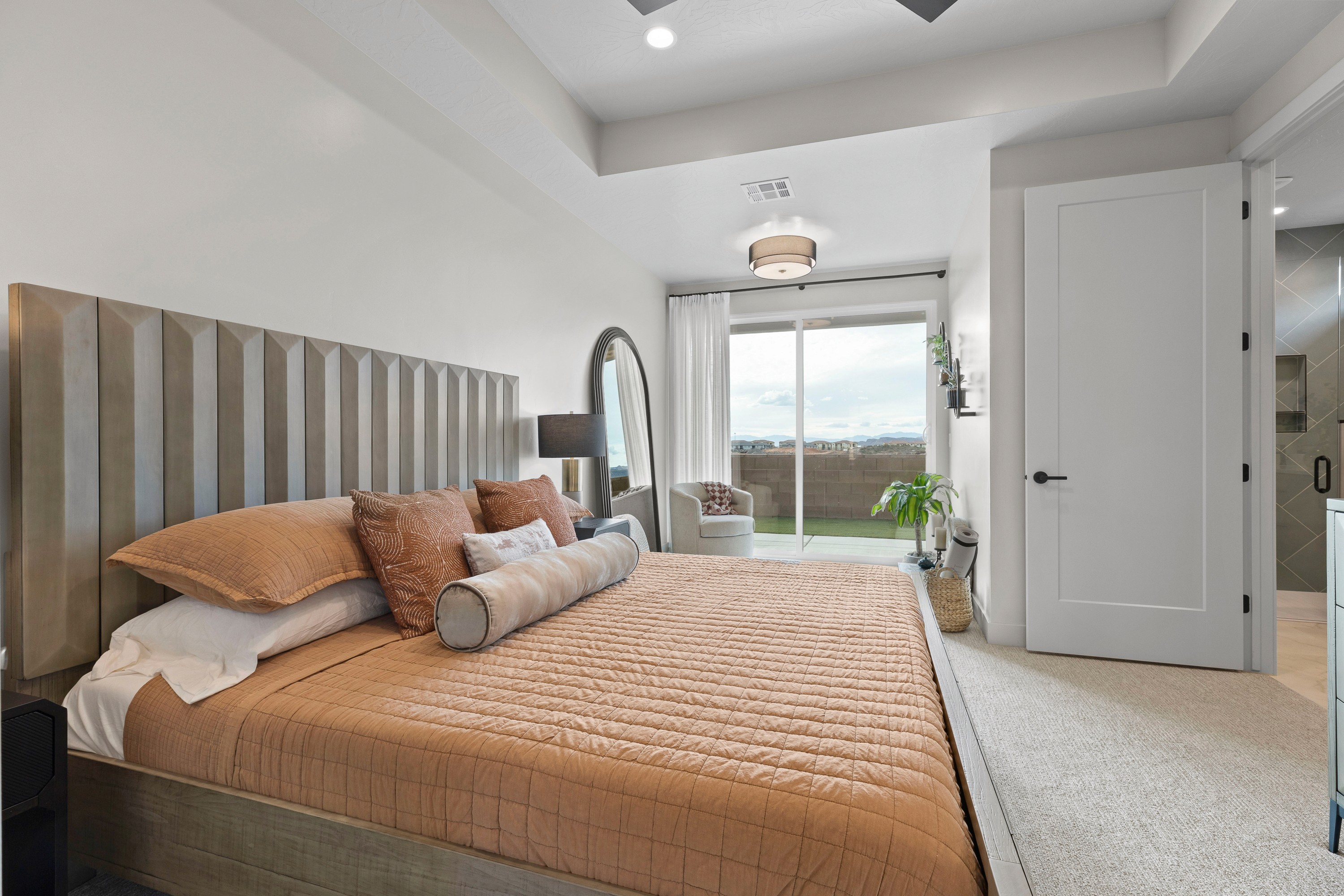
Window coverings are not typically included in a builder's scope of work. They fall into the same category as furniture, and like furniture, they're easy to push to the back of the budget until you move in and realize every window in the house faces your neighbor.
A new home is also almost always bigger than the last one. Furniture that worked before may not scale. Rooms that look like a reasonable size on a floor plan can feel cavernous once you're actually standing in them. This isn't a construction cost, but it's a real number that lands right at the moment when everything else is already stretched.
Budget for window coverings and furniture before move-in, not after. Even a rough plan for how you'll handle the main living spaces buys you a lot of peace of mind in those first few weeks.
The Cost of Changing Your Mind
Changes during a build aren't inherently expensive. It depends entirely on what's being changed and where the build is in the process.
The real cost comes when something has to be removed or redone. If a wall is already framed and you want it moved, that framing comes out and gets rebuilt. If electrical is already roughed in and the outlet location changes, the wire gets pulled and rerouted. Demo costs, labor charges, and then the cost of the new work itself is where a change order gets real. It's not just the update to the scope of work. It's the cost of undoing the old one.
The best protection against this is a thorough design process. The more decisions that are made on paper before work starts, the fewer decisions need to be revisited in the field. Not every change is avoidable, and not every change is expensive. But understanding how change orders work helps you ask better questions before you approve one.
Interest During Construction
If you're financing your build with a construction loan, you're paying interest on the drawn balance while the home is being built. That money isn't going toward the home. It's the cost of the loan being active.
The amount depends on your loan size, your interest rate, and how long the build takes. Over the course of a full project it adds up to a real number. Make sure your lender has walked you through what this looks like month by month before you break ground. It shouldn't be a surprise mid-build.
A Note on How a Good Process Protects You
Most budget surprises in custom home building come from one place: decisions that were made too late, or not made at all until they were forced.
The way Madsen Homes approaches this is straightforward. You design the home first. The budget is built off that design, not off a generic estimate. Once you see the number, you decide whether it works. If it's higher than you expected, we help you make different selections to bring it down. If it’s lower you can decide to add more money into different designs or selections in your home.
That process doesn't eliminate every unknown. Landscaping still takes shape as the home comes together. Custom features still get added when people see their space in real life. But it eliminates the category of surprises that come from vague estimates and assumptions, which is where most of the pain in custom home building actually lives.
Southern Utah is a place people are choosing on purpose. The growth here is real, the lifestyle is hard to replicate, and a well-built custom home is one of the soundest investments you can make in this market. Going into the process clear-eyed about the full financial picture doesn't take anything away from that. It makes the whole experience better.
If you're in the early stages of thinking about a build, we're happy to walk you through what the process actually looks like from the first design conversation to move-in day.
Check out related blog posts and projects:
Find more blogs about building a custom home